%201.png)

The Truth About Birth Control Pills: What Medical Experts Want You to Know
Myths About Birth Control Pills Debunked by Medical Experts
The Truth About Birth Control Pills: What Medical Experts Want You to Know
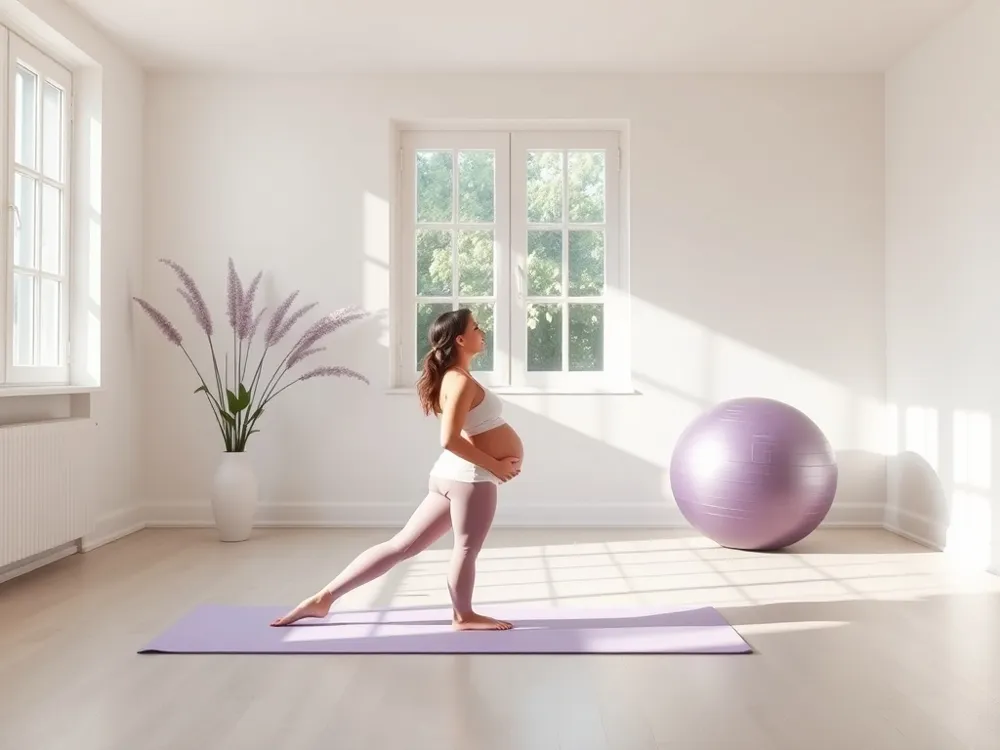
The pelvic floor is a group of muscles and tissues forming a supportive sling from the pubic bone to the tailbone. These muscles hold the bladder, uterus, and bowel in their proper positions and help control urination, bowel movements, and sexual function. When healthy, the pelvic floor works continuously to maintain continence during activities like walking, lifting or climbing stairs. About 1 in 4 women will experience a pelvic floor disorder at some point, often beginning during pregnancy or after childbirth.
During pregnancy, the pelvic floor faces significant stress. The growing uterus, placenta, and increased blood volume add weight place extra strain on these on these muscles. At these muscles. At the same time., the placenta secretes relaxin, which softens ligaments and joints, increasing pelvic flexibility but also reducing muscle tone. These factors can lead to symptoms like urinary leaking, pelvic heaviness, and back discomfort in about 50% of pregnant women before people. Proper exercises help manage these changes
Regular pelvic floor training before delivery strengthens the muscles prepares them for labor, and supports faster recovery after birth. Research shows that consistent exercise reduces the risk of postpartum urinary incontinence risk by up to risk of memory up to 50% and pelvic organ prolapse by up to 50%. Starting early in pregnancy improves bladder control eases perineal healing, and contributes to better sexual function postpartum. Experts recommend performing Kegel exercises 3 sets of 10-15 repetitions daily, continuing for at least 6 months after delivery for lasting benefits

You can begin pelvic floor exercises as early as the first trimester, ideally soon after confirming your pregnancy. Starting early helps prepare the pelvic floor muscles for the increased pressure and stretching that occur as the baby grows. Research shows that women who begin pelvic floor muscle training in the first trimester often experience fewer symptoms of stress incontinence later in pregnancy and after delivery.
Pelvic floor exercises are safe and beneficial throughout pregnancy, whether you plan a vaginal or cesarean birth. The American College of Obstetricians and Gynecologists recommends starting gentle strengthening in the second trimester, but many experts encourage beginning even earlier if cleared by your provider. “When should start pelvic floor exercises early in pregnancy; strengthening and learning to coordinate these muscles during pregnancy can ease symptoms and speed up postpartum recovery.
Starting in the first trimester aligns well with your prenatal visit schedule and gives you time to build muscle memory before the uterus grows significantly. Early training helps you learn to contract and relax the pelvic floor correctly, which reduces the 30–50% risk of developing urinary incontinence during pregnancy. Additionally, a strong pelvic floor entering labor can facilitate delivery and reduce perineal tearing.
Always consult your healthcare provider before starting any exercise routine during pregnancy, as individual factors may affect timing. If you experience pain, leakage, or discomfort, consider seeking guidance from a pelvic floor physical therapist for a personalized approach. Pelvic floor physical therapists can ensure you perform exercises correctly—about 40% of women initially engage the wrong muscles. With professional guidance, pelvic floor training is safe for low‑risk pregnancies and can be continued through the third trimester with modifications.

The most common sign of a weak pelvic floor is urinary leakage, known as stress incontinence. This happens when urine leak can happen when you cough, sneeze, laugh, or exercise. You may also experience a sudden, strong urge to urinate that is difficult to control (urge incontinence).
Bowel issues can also signal weakness, including unexpected passing of wind from the vagina or anus, or trouble controlling bowel movements. You might feel a sensation of heaviness, pressure, or even a bulge in the vagina, which could indicate a pelvic organ prolapse. Some women also report that tampons dislodge or fall out more easily.
Other warning signs include recurrent urinary tract infections, difficulty fully emptying your bladder or bowel, pain during intercourse, or a general feeling of pelvic drag and lower back ache. These symptoms are common during pregnancy and postpartum, but they are not something you should simply accept.
You should consult a healthcare provider if urinary or bowel leakage affects your daily life, if you feel a persistent vaginal bulge or pressure, or if pelvic pain makes exercise or intimacy uncomfortable. Early evaluation by a midwife, obstetrician, or a pelvic floor physical therapist can identify the root cause and guide you toward effective exercises. Professional guidance is especially important because about 40% of people perform Kegel exercises incorrectly without proper technique. A specialist can ensure you are targeting the right muscles and progressing safely, which speeds recovery and helps prevent long-term complications.

Rebuilding pelvic floor strength after childbirth is safe and important, but the timeline depends on your delivery method.
For an uncomplicated vaginal birth, you can usually start gentle pelvic floor exercises within the first few days after delivery—once initial discomfort subsides and you feel ready. Begin with subtle Kegel contractions combined with diaphragmatic breathing. If you had perineal stitches, wait until the pain decreases before practicing these movements. The goal is gentle activation, not intense strengthening, as your body heals.
After a cesarean section, you may start pelvic floor exercises once your catheter is removed and you feel comfortable—often within a few days. Ensure your incision is healing well and that you have received clearance from your healthcare provider. Even though you avoided vaginal delivery, pregnancy itself weakens the pelvic floor, so exercises remain beneficial.
During the first two weeks postpartum, focus on deep breathing and subtle pelvic floor squeezes. Gradually progress to holds of 5-10 seconds around weeks 2-4. Low-impact activities like walking can begin at 4-8 weeks, while high-impact exercise should wait until at least 12 weeks. Always consult your provider before starting, especially after a forceps or vacuum delivery, which may require a longer wait. If exercise causes pain or does not improve symptoms, seek a pelvic floor physical therapist for personalized guidance.
Squeezing your buttocks is not an effective way to exercise your pelvic floor. In fact, it often prevents the correct muscles from engaging. The proper technique involves focusing on a gentle squeeze and lift of the anal and vaginal passages, without tightening the buttocks, thighs, or holding your breath.
To find the correct muscles, imagine stopping the flow of urine or preventing the passage of gas. The sensation should be a closing and drawing upward of the back and front passages. Once identified, practice isolating this squeeze and contracting these muscles while keeping your glutes relaxed. This ensures you strengthen the supportive sling of muscles that hold the bladder, uterus, and bowel in place.
A balanced pelvic floor routine uses both slow and quick contractions.
| Exercise Type | How To Perform | Purpose | Example Hold/Relax | Sets per Day | |---|---|---|---| | Long Squeeze | Builds endurance | Hold for up to 10 seconds, then relax for 4 seconds (10 reps) | 1-3 sets | | Quick Squeeze | Improves quick reaction to pressure (e.g., cough, sneeze) | Hold for 1-second squeeze, relax for 4 seconds (10 reps) | 1-3 sets |
Aim for three sessions daily by linking these exercises to regular activities, like waiting for the kettle to boil or brushing your teeth.
Pelvic floor strength can absolutely be regained after pregnancy. Through consistent pelvic floor muscle training (PFMT), often called Kegel exercises, and guided rehabilitation, many women see improvement in bladder control and muscle tone within 4 to 6 weeks. A typical routine involves holding a pelvic floor contraction for up to 10 seconds, repeating 10 times, and performing 3 sessions daily. For those who have difficulty contracting correctly, biofeedback or personalized coaching from a pelvic floor physical therapist can provide the necessary support. Regaining strength is an achievable goal for women at any stage, including after childbirth.
A tight pelvic floor requires relaxation, not just strengthening. Gentle deep breathing exercises, where you consciously release tension in the pelvic area as you exhale, can be very effective. Stretches such as child’s pose, happy baby pose, and butterfly stretch help lengthen tight muscles and reduce discomfort. It is important to avoid forceful Kegel contractions if you have a tight pelvic floor, as this may worsen symptoms like pelvic pain or pain during intercourse.
Pelvic floor physical therapists offer specialized care, including biofeedback and manual therapy and relaxation techniques tailored for hypertonic muscles. They can use biofeedback devices to help you identify and consciously relax your pelvic floor. This professional guidance ensures that you are balancing strengthening and relaxation for optimal recovery. Our Queens-based team can provide referrals to the right specialist for lasting relief.
The 4‑3‑2 method simplifies pelvic floor training by eliminating counting. Perform four sets daily, each set consisting of three contractions that last two natural breaths, separated by two natural breaths. This breath‑based rhythm promotes relaxation between holds and improves body awareness. Begin with a 3‑second hold and add 1 second each week until you can comfortably squeeze for 10 seconds, aiming for 10 repetitions per session.
Pelvic floor strength relies on surrounding muscles. Combine Kegels with bridges, squats, and hands‑and‑knees exercises (e.g., alternating arm/leg extensions) to engage glutes, hips, and deep core. Proper alignment—avoiding clenched buttocks or held breath—ensures effective activation. After birth, start gentle holds once cleared, progressing from 3‑second squeezes to 10‑second holds over several weeks.