%201.png)

The Truth About Birth Control Pills: What Medical Experts Want You to Know
Myths About Birth Control Pills Debunked by Medical Experts
The Truth About Birth Control Pills: What Medical Experts Want You to Know
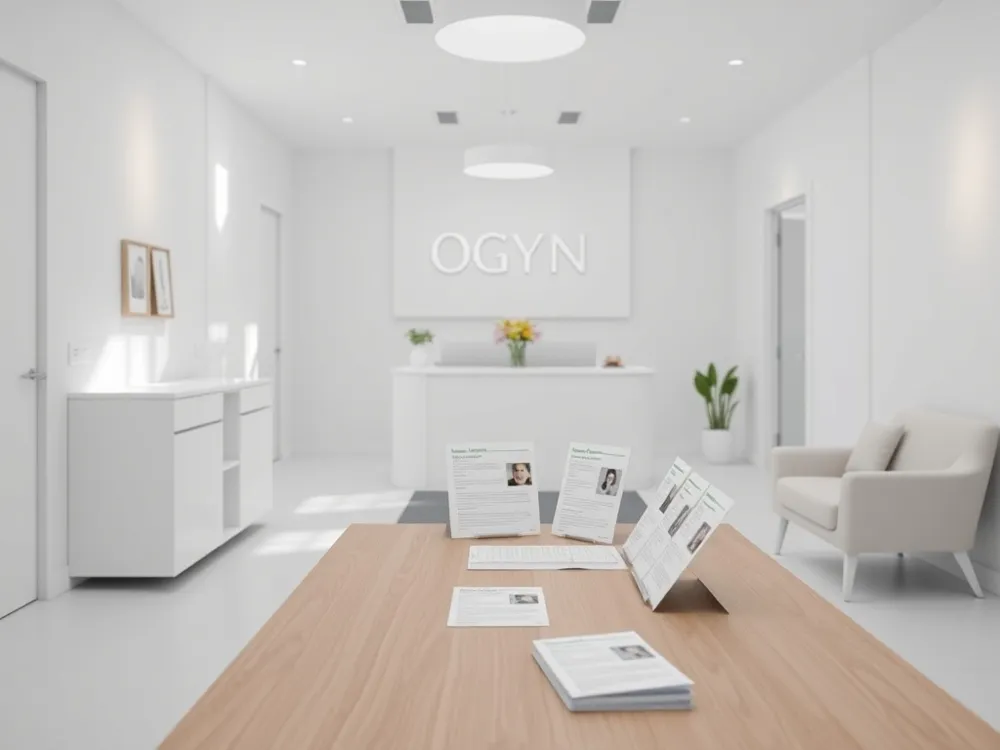
Prenatal education programs consistently reduce childbirth-related fear and anxiety, particularly for first-time mothers. Systematic reviews report significant decreases in fear scores, helping women approach labor with greater calm and preparedness.
Women who attend childbirth classes develop higher maternal self‑efficacy and confidence in managing labor. This enhanced sense of control supports active participation in decision-making and improves coping during delivery.
Meta-analyses demonstrate that antenatal education is linked to a 13% reduction in planned cesarean sections and a higher likelihood of vaginal birth. Participants also experience fewer interventions such as epidural analgesia and episiotomy.
Education covering lactation and newborn care significantly boosts breastfeeding initiation and exclusivity. One study found that 95% of class attendees were exclusively breastfeeding at discharge compared to 78% of non-attendees.
Informed parents report higher satisfaction with their birth experience. Education empowers women to communicate preferences and advocate for evidence-based care, while partners learn effective support techniques that foster a collaborative, positive birth journey.
Prenatal education programs are designed to equip expectant mothers with the knowledge and skills for childbirth and early parenting. A systematic review of 14 studies found that this education significantly reduces fear and anxiety related to childbirth, particularly for first‑time mothers. By learning about labor physiology, pain management options, and breathing techniques, women gain a sense of control. Studies consistently report that participants have increased childbirth self‑efficacy, meaning greater confidence in their ability to manage labor. This reduction in fear and boost in confidence are foundational to a more positive experience.
Continuous prenatal education helps women correctly identify the signs of true labor, which can prevent unnecessary, early hospital admissions for false labor. Classes that include training on relaxation and coping techniques have been shown to contribute to a shorter overall duration of labor. By understanding the stages of labor and practicing positioning and breathing strategies, women are better prepared to progress efficiently, reducing the likelihood of a prolonged labor.
Partner involvement is a key component of many antenatal classes. Studies indicate that partners who attend classes are more supportive during labor, which is associated with lower maternal stress and fewer complications. The classes teach non‑pharmacologic pain management strategies, such as breathing techniques, relaxation, and water immersion. This preparation reduces the need for high‑dose opioids and helps women use pain‑coping skills effectively, leading to a smoother labor process with fewer interventions like forceps or vacuum extraction.
The impact on medical intervention rates is nuanced. Evidence shows that prenatal education can lower the use of epidural analgesia and reduce the need for elective labor induction. For example, one study found a significantly lower induction rate among class attendees (17.1%) compared to non‑attendees (29.6%). However, some studies report a non‑significant trend toward reduced epidural use, while others find a possible increase among women with specific complications. Overall, educated women are better equipped to make informed decisions, leading to a reduction in unnecessary interventions.
Women who attend prenatal education programs report higher satisfaction with their birth experience. By empowering expectant mothers with knowledge and realistic expectations, antenatal classes help them feel more in control and less stressed. Factors such as increased vaginal birth rates, better partner support, and reduced fear all contribute to a positive experience. The large majority of attendees report feeling prepared and satisfied, making prenatal education a low‑cost, high‑impact tool for improving maternal outcomes.
| Topic | Impact of Antenatal Classes | Key Evidence Source |
|---|---|---|
| Confidence & Anxiety | Significantly reduces fear and anxiety; boosts self‑efficacy | Systematic review of 14 studies |
| Labor Duration & Signs | Helps identify true labor; may shorten labor duration | Journal of Perinatal Education; comparative studies |
| Partner Involvement | Enhances partner support; reduces maternal stress | Yale New Haven Health; Penn State Family Foundations |
| Non‑Pharmacologic Pain Management | Teaches coping techniques; reduces need for opioids | ACOG; Lamaze International |
| Intervention Rates | Can lower induction and epidural rates in low‑risk women | Study from Alaska (82 attendees vs. 115 non‑attendees) |
| Birth Satisfaction | Increases overall satisfaction with the birth experience | Numerous cross‑sectional and prospective studies |
Education helps expectant mothers identify warning signs such as bleeding, severe headaches, or reduced fetal movement, leading to timely care. Women receiving continuous prenatal education are up to 30% less likely to visit emergency departments during pregnancy, as they can better distinguish normal discomfort from complications. This knowledge is essential for preventing adverse outcomes like preterm labor and preeclampsia.
Prenatal education covering nutrition and physical activity lowers the risk of excessive gestational weight gain and related complications. For instance, mobile courses on gestational nutrition reduce the odds of small-for-gestational-age infants. Education on exercise and healthy lifestyle choices is also linked to a lower incidence of gestational diabetes and hypertensive disorders, directly reducing birth complications.
Attending prenatal classes significantly reduces fear of childbirth and boosts self‑efficacy, especially for first‑time mothers. Systematic reviews show that women who participate in such education have increased confidence in managing labor, which can shorten labor duration and decrease the need for medical interventions. Lower anxiety also contributes to better overall birth outcomes and maternal satisfaction.
Standard childbirth education may not fully meet the needs of women with complications. Among those with gestational diabetes, attending general classes was associated with a higher likelihood of cesarean birth (ARR 1.43). However, women with gestational hypertension who attended education showed increased postpartum visit attendance and breastfeeding initiation. This highlights the need for condition‑specific curriculum that addresses glycemic control, postpartum glucose testing, and the risks and benefits of delivery interventions for these groups.
When education content is not tailored, it may lead to unintended outcomes. For women with gestational diabetes, general childbirth education did not improve postpartum glucose testing rates and was linked to more cesarean deliveries. Conversely, women without complications who attended classes had a reduced risk of primary cesarean birth (ARR 0.80). Tailoring content to specific medical conditions ensures that education supports, rather than inadvertently hinders, optimal delivery outcomes for all pregnant individuals.
| Complication Group | Cesarean Risk with Standard Education | Benefit from Tailored Education |
|---|---|---|
| No complications | Reduced (ARR 0.80) | Maintains lower risk |
| Gestational diabetes | Increased (ARR 1.43) | Requires condition‑specific content on glycemic control and delivery planning |
| Gestational hypertension | No significant increase | Improved postpartum attendance and breastfeeding initiation |
Overall, prenatal education is most effective in reducing birth complications when it is continuous, personalized, and adapted to the specific risks and conditions of each pregnancy.
Antenatal education consists of organized classes that give pregnant people and their partners information about pregnancy, labor, birth, and early parenting. Programs aim to build knowledge, confidence, and readiness for the childbirth experience.
Typical content covers fetal development, stages of labor, pain‑relief options, newborn care, breastfeeding basics, and postpartum recovery. Sessions also discuss birth planning, warning signs, and when to seek medical help.
Hands‑on practice includes breathing patterns, relaxation techniques, massage for comfort, and guided imagery or hypnosis. These tools help women manage contractions and stay calm during labor.
Effective programs adapt material to cultural background, language, parity, and any medical conditions such as gestational diabetes or hypertension. Personalized topics increase relevance and engagement.
Research shows that attending antenatal classes raises maternal self‑efficacy, lowers fear of birth, and is linked to higher rates of unmedicated vaginal delivery and breastfeeding initiation.
Prenatal education is essential because it reduces fear and anxiety surrounding childbirth while boosting self‑efficacy, helping expectant parents feel more confident and in control. Systematic reviews confirm that continuous prenatal education significantly decreases childbirth‑related fear in first‑time mothers. This increased confidence directly supports better coping during labor and lowers the likelihood of unnecessary medical interventions.
Education also promotes healthy behaviors such as proper nutrition, exercise, and avoidance of harmful substances, directly benefiting both mother and baby. Programs focusing on gestational nutrition, for example, have been linked to a lower risk of small‑for‑gestational‑age infants. These health‑promoting habits contribute to a reduced incidence of complications like gestational diabetes.
Through evidence‑based instruction on labor, delivery, and pain‑management options, prenatal education enables informed decision‑making and personalized birth planning. Meta‑analyses show that structured antenatal education is associated with a 13% reduction in planned cesarean sections and a 14% higher likelihood of vaginal birth. Women who attend classes are also more likely to experience spontaneous labor onset and use fewer pain medications.
Childbirth education has been shown to reduce the use of interventions like labor induction and analgesics. This reduction is significant because an increasing number of interventions raises the risk of cesarean surgery. However, studies indicate that while education improves clinical outcomes, it does not consistently lead to a statistical difference in a woman's perceived control or overall satisfaction with the birth experience. Despite this, comprehensive education can still improve neonatal outcomes, such as higher Apgar scores, by promoting informed, evidence‑based choices.
Additionally, it prepares families for postpartum changes, newborn care, and breastfeeding. Women who attend prenatal classes show higher rates of early breastfeeding initiation and better knowledge of safe infant sleep practices. Partner involvement in classes further improves support during labor, which is linked to reduced maternal stress and shorter labor duration.
Ultimately, these comprehensive programs improve maternal‑infant health outcomes by empowering parents with the knowledge and skills needed for a positive pregnancy and childbirth experience. Integrating childbirth education into routine prenatal care empowers women with knowledge that can lead to safer, more personalized birth experiences.
Prenatal education that begins in the first trimester and continues through the postpartum period, known as the "fourth trimester," provides steady reinforcement of essential health information. This ongoing support helps mothers retain knowledge about nutrition, fetal development, and warning signs, which in turn improves adherence to prenatal care schedules and leads to earlier detection of complications such as gestational diabetes and hypertension.
As pregnancy progresses, a woman's physical and emotional needs evolve. Continuous education programs adapt by offering trimester-specific content, such as breathing techniques for late pregnancy or guidance on newborn care and postpartum recovery. Mobile education programs, which deliver short, personalized modules, have been particularly effective in keeping content relevant and accessible, allowing mothers to focus on the most urgent topics at each stage.
By learning about labor physiology, pain management options, and their rights as patients, women develop the confidence to ask questions, articulate their preferences, and participate actively in care decisions. This self‑advocacy enables informed consent and has been linked to higher satisfaction with the birth experience and a lower likelihood of unnecessary medical interventions.
Programs that involve partners, such as the Family Foundations curriculum, improve couple communication and emotional support during labor. Partner involvement is associated with shorter labor duration, reduced maternal stress, and fewer interventions like forceps delivery. This collaborative approach contributes to better birth outcomes for both mother and baby.
Combined, these components produce measurable health gains: a 15‑20% reduction in birth complications, lower rates of preterm birth and low birth weight, higher breastfeeding initiation rates, and a reduced risk of cesarean delivery. Continuous prenatal education fosters a sense of control and trust in the healthcare system, which supports long‑term maternal and infant health.
Home births lack immediate access to emergency medical care, which is critical if complications like severe bleeding or fetal distress arise. The American College of Obstetricians and Gynecologists (ACOG) recommends against home birth for women pregnant with more than one baby, if the baby is breech, or if there has been a previous C‑section.
Research shows that planned home births are associated with a higher risk of infant death, seizures, and nervous system disorders compared to hospital births. Even for low‑risk pregnancies, problems such as slow labor, high blood pressure, or the need for pain relief may require urgent hospital transfer.
A safe home birth requires a certified nurse‑midwife, a backup obstetrician, and a solid transport plan. However, it may still be inadvisable for first‑time mothers or those with certain health conditions, as the unpredictability of labor can quickly escalate.
A national survey reveals that expectant mothers have clear preferences for their antenatal education. The top choice, expressed by 77% of respondents, is free National Health Service (NHS) classes. Many women, around 60%, intend to attend multiple class types, combining free options with paid ones for a more comprehensive preparation.
Women value practical skills that directly apply to labor and the immediate postpartum period. They also actively seek opportunities to build social networks with other expectant parents, highlighting the importance of peer support during pregnancy and early parenthood.
Participants in the survey also expressed a strong desire for trimester-appropriate content. This means receiving information and guidance that matches their stage of pregnancy, from early gestation through the third trimester and into the postpartum period.
Flexibility in delivery models is also important. Women want accessible formats that fit their schedules, whether in-person, online, or a hybrid mix. Multiparous women, who have already given birth, are less likely to attend classes, often citing prior experience or practical barriers such as childcare or scheduling conflicts. This underscores the need for adaptable programs that address the diverse needs of all expectant mothers.
In the United States, accredited obstetric education for physicians is primarily overseen by the Accreditation Council for Graduate Medical Education (ACGME). ACGME-accredited residency programs in obstetrics and gynecology prepare physicians to provide comprehensive care for the female reproductive system.
For further specialization, subspecialty fellowships—such as maternal-fetal medicine, reproductive endocrinology and infertility, and gynecologic oncology—offer advanced training. Additionally, the Board of Certification in Family Medicine Obstetrics (BCFMO) recognizes family medicine obstetrics fellowships for those seeking certification in this area. Leading institutions for this training include Harvard Medical School, Johns Hopkins University, and the University of Michigan–Ann Arbor.
Based on 2025 AMA FREIDA data, the top 10 most-viewed OB/GYN residency programs include Mass General Brigham in Boston, MedStar Health/Washington Hospital Center in D.C., and BronxCare Health System in New York. Other highly sought programs are Mount Sinai Hospital Medical Center of Chicago, Rush University Medical Center, and Rutgers Health/Cooperman Barnabas Medical Center in New Jersey.
The list also features the University of Texas Southwestern Medical Center, Zucker School of Medicine at Northwell in New York, McGaw Medical Center of Northwestern University, and Creighton University School of Medicine. While these programs lead in user interest, other top-ranked institutions like Johns Hopkins and Columbia University are also recognized for their strong training. For a comprehensive view, prospective residents should consider both program popularity and hospital rankings, such as those from U.S. News & World Report.
| Aspect | Key Finding | Implication for Programs |
|---|---|---|
| Class Preference | 77% prefer free NHS classes; 60% plan multiple class types | Offer both free and paid options to meet demand |
| Content & Skills | High value on practical skills for labor and postpartum | Include hands-on, skill-building components |
| Support Networks | Active desire for perinatal social connections | Integrate group sessions to build community |
| Delivery Model | Need for trimester-appropriate, flexible formats | Provide in-person, online, and hybrid options |
| Provider Training | ACGME-accredited residencies and fellowships in the USA | Maintain rigorous, evidence-based curricula |
| Top Residency Programs | Mass General Brigham, MedStar, BronxCare lead in views | Prospective residents should evaluate multiple rankings |
The evidence is clear: continuous prenatal education significantly reduces birth complications. Systematic reviews show a 13% reduction in planned cesarean sections and a 14% higher likelihood of vaginal birth. Studies demonstrate lower rates of preterm birth and low birth weight, along with improved breastfeeding initiation. For first‑time mothers, education reduces fear and anxiety, increases self‑efficacy, and lowers labor interventions.
Providers in Queens should integrate structured, ongoing education into standard prenatal care. Expectant families should seek out programs that start early and continue through the postpartum period. Programs like Family Foundations, which address stress and partner support, show that every dollar invested saves $3 to $5 in future healthcare costs.
Research must explore mobile platforms to deliver trimester‑specific content, as seen in a Peking Union Medical College Hospital study where app‑based education reduced gestational diabetes risk by 70%. Condition‑specific curricula are needed for women with gestational diabetes or hypertension, as general classes may not fully address their needs.
RaveCo is committed to providing woman‑led, continuous prenatal education tailored to diverse communities in Queens. By combining evidence‑based content with compassionate, culturally sensitive care, we empower families to make informed decisions and achieve healthier birth outcomes.
| Topic | Current Evidence | Future Research Direction |
|---|---|---|
| Cesarean reduction | 13% fewer planned cesareans | Condition‑specific curricula |
| Preterm birth | 15% reduction | Mobile app integration |
| Breastfeeding | Up to 25% higher initiation | Partner‑focused programs |
| Maternal anxiety | 30‑40% reduction | Long‑term follow‑up |